Health
Why your metabolism changes as you age — and what you can do now
By Margaret
Advertisement · Why this ad?
Rebecca has a Master's degree in Journalism from the University of North Texas and over 5 years of experience covering community news. She previously worked for the North Fulton Neighbor, focusing on local events and community organizations.
More from Rebecca →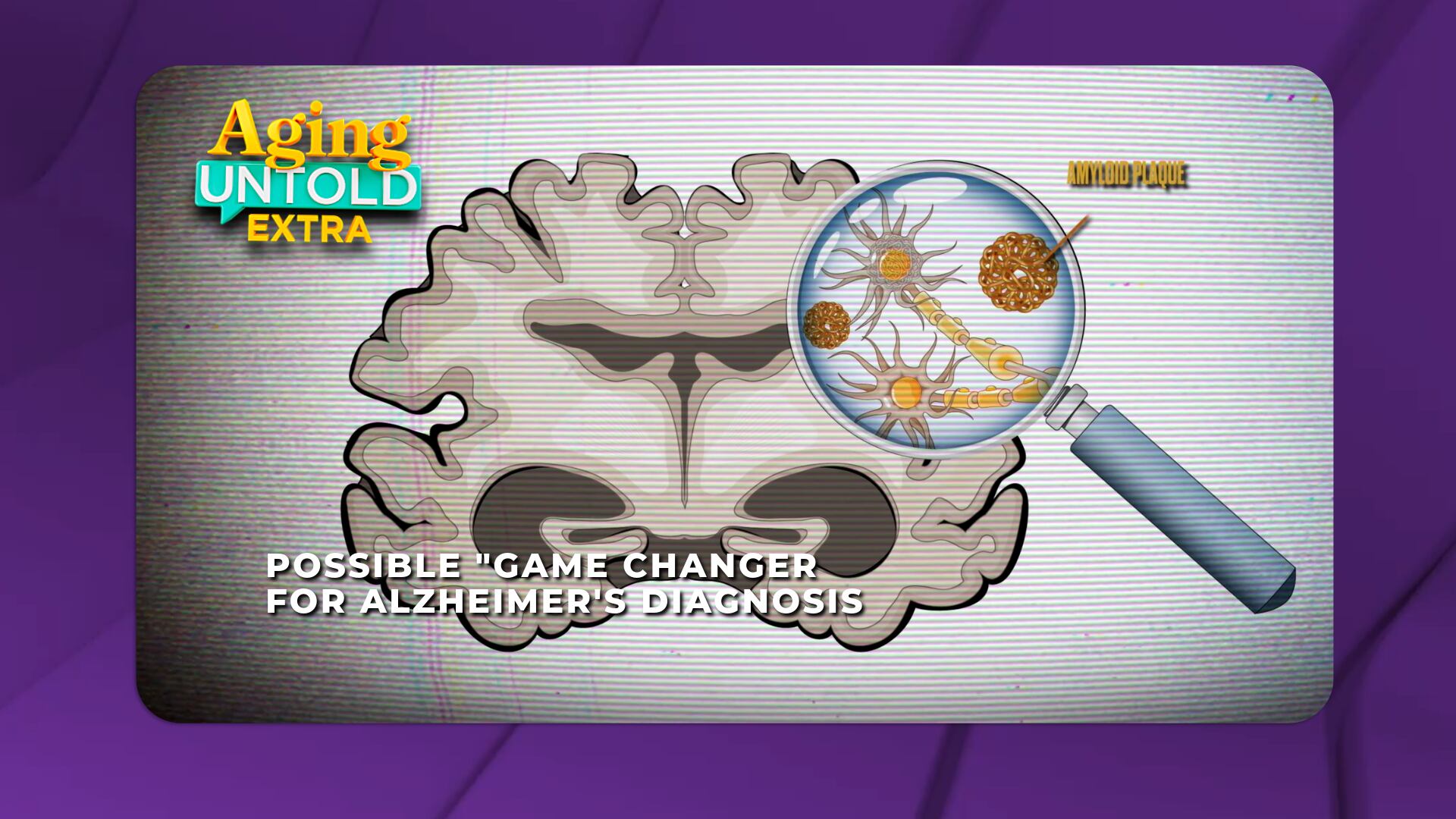
Share Add Us On Google Add as a preferred source on Google ( Aging Untold ) — A familiar bike ride with her husband became frightening for Kathi Rigby when she suddenly struggled to communicate. “I couldn’t get words from my brain to my mouth,” she said. Rigby was diagnosed with Alzheimer’s disease in 2022. The news, she said, “was like a slap in the face.” How the blood test works Brain scans or tests of spinal fluid are often required to diagnose Alzheimer’s disease, but a blood test to detect amyloid plaque in the brain, a key marker of the disease, could offer a less invasive way. In May 2025, the Food and Drug Administration cleared the Lumipulse , the first blood test cleared by the agency to aid in diagnosing Alzheimer’s disease. “It’s a game changer. It’s indicated for people who are 55 years of age or greater with symptoms of cognitive decline,” Dr. Rhea Rogers, a board-certified physician and Aging Untold host, said. Researchers suggest that if a patient tests positive, there is a greater than 90% chance that they have amyloid plaque in their brain. The FDA has cleared the blood test for use only in patients 55 and older who are already experiencing memory problems. The agency cautions that this is not intended as a standalone diagnostic tool for Alzheimer’s. Results should be interpreted alongside a patient’s medical history and other assessments, such as cognitive testing. Why early evaluation matters Rogers said identifying Alzheimer’s earlier can help people and their families plan and consider care options. “I think it’s very welcoming because we know that like many diseases, especially Alzheimer’s, the earlier that you catch it, the more you can make an impact on quality of life,” she said. For Rigby, early detection allowed her to participate in a clinical trial of a drug intended to remove brain plaque. Her husband, Brent, said, “95% of the plaque was removed.” Rigby’s experience does not indicate how a treatment will work for someone else. Rigby said the treatment made a difference for her. “I want to be Grandma, and I want them to know that I love them—and I know them,” she said. This program is provided for educational and informational purposes only and does not constitute providing medical advice or professional services. The information provided should not be used for diagnosing or treating a health problem or disease, and those seeking personal medical advice should consult with a licensed physician. Always seek the advice of your doctor or other qualified health provider regarding a medical condition. Never disregard professional medical advice or delay in seeking it because of something you have seen on this program. If you think you may have a medical emergency, call 911 or go to the nearest emergency room immediately. No physician-patient relationship is created by this program or its use. Aging Untold/Gray Media, nor its employees, contractors or agents, nor any contributor to this program, makes any representations, express or implied, with respect to the information provided herein or to its use. Copyright 2026 Gray Media Group, Inc. All Rights Reserved.
By Margaret

By Sharon Lee

By Rebecca Nash

By Mohammed Ahsan